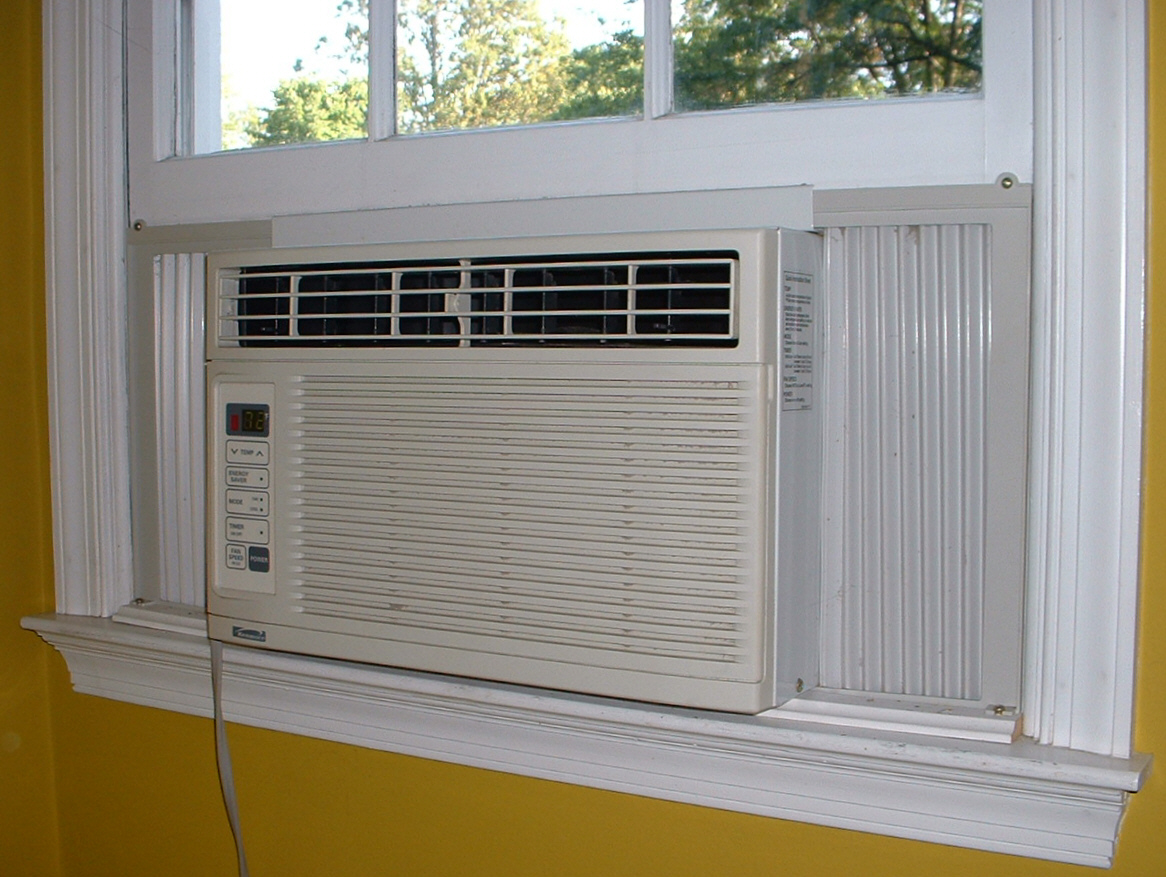

June is the cheap month. The bill that stings arrives in late July or August, after the air conditioner has run flat out for weeks, and by then most of the money is already spent. The time to cut a summer electric bill is before the heat peaks, and nearly everything that works is cheaper than one month of the problem.
The stakes are not trivial. The Energy Information Administration put the average residential electric bill at about $178 a month last summer, with air conditioning the main driver and electricity prices continuing to climb in most regions. Here are six moves, roughly in order of payoff per dollar spent, drawn from federal energy guidance.
1. Reset the thermostat schedule now, not in July
The Department of Energy’s long-standing estimate is that you can save as much as 10 percent a year on heating and cooling by setting your thermostat back 7 to 10 degrees from its normal setting for 8 hours a day. In summer that means letting the house run warmer while you are at work or asleep, then cooling it for the hours you actually feel it.
A programmable or smart thermostat automates the discipline, but the savings come from the schedule, not the gadget. A $25 model set correctly beats a $250 model left on hold. One myth worth killing: cranking the thermostat extra low does not cool a house faster. It just makes the system run longer, past the temperature you wanted.
2. Make fans do the air conditioner’s job
Moving air feels cooler than still air at the same temperature. DOE’s guidance on fans for cooling says a ceiling fan lets you raise the thermostat setting about 4 degrees with no loss of comfort. A fan costs pennies a day to run; each degree you raise the cooling setpoint takes a real bite out of compressor time.
The catch is that fans cool people, not rooms. A fan spinning in an empty room is pure waste, so turn them off behind you.
3. Stop paying to cool the outdoors
Cold air leaking out through gaps and thin attic insulation is the silent line item on every summer bill. The EPA’s ENERGY STAR program estimates homeowners save an average of 15 percent on heating and cooling costs, about 11 percent of total energy costs, by air sealing the home and adding insulation in the attic and over crawl spaces.
The weekend version: caulk and weatherstrip around windows and doors, seal the obvious gaps where pipes and wires enter the house, and check whether attic insulation covers the joists. Closing blinds and curtains on sun-facing windows during the afternoon is free and surprisingly effective.
4. Service the machine that eats the bill
An air conditioner fighting a clogged filter works harder to deliver the same cooling. DOE’s maintenance guidance says replacing a dirty filter can cut the unit’s energy consumption by 5 to 15 percent. Check filters monthly in heavy season, keep outdoor condenser coils clear of grass and debris, and make sure furniture and curtains are not blocking vents.
While you are at it, hunt down the other heat sources inside the house. Running the oven, dryer, and dishwasher in the evening instead of mid-afternoon means the air conditioner is not fighting your own appliances at the hottest hour.
5. Ask your utility to pay you
Many utilities now offer demand-response programs and time-of-use rates that reward customers for shifting electricity use away from late-afternoon peaks. The details vary by company, but the shape is consistent: bill credits for letting the utility nudge your smart thermostat a few degrees on peak days, or cheaper rates for running big appliances at night. If your usage is flexible, these programs are free money; the sign-up is usually a form on the utility’s website.
Check the same website for rebates before buying anything. Utilities and states frequently discount smart thermostats, insulation work, and efficient window units, and an ENERGY STAR label is typically the qualifying requirement.
6. If the bill is already unmanageable
For households on fixed incomes, summer bills are a health issue, not just a budget issue. The federal Low Income Home Energy Assistance Program, LIHEAP, helps eligible households pay heating and cooling bills, and many states run summer crisis components that can also repair or replace broken air conditioners. Funds are limited and distributed through state and local agencies, so applying early matters. Most utilities also offer budget billing, which levels payments across the year so August does not arrive as a shock.
None of these steps is dramatic on its own. Stacked together, a schedule on the thermostat, fans used correctly, sealed leaks, a clean filter, and a peak-shifting habit can plausibly take a double-digit percentage off the cooling season, and every one of them is in place before the first real heat wave if you start this week.
This article was produced with AI assistance and reviewed by a human editor. Figures are linked to their primary sources; where a claim could not be verified from the public record, we say so.
Leave a Reply