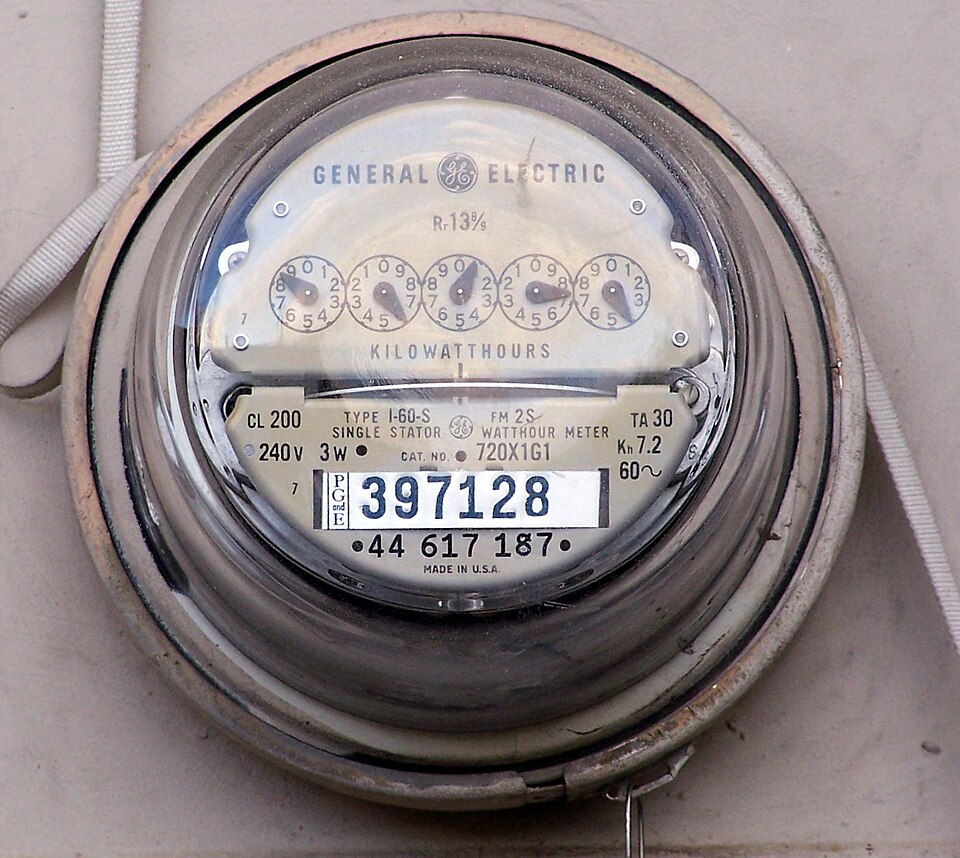

The first big air-conditioning bills of the season are landing in mailboxes this week, and the forecasters who track them say this summer will set a record. The National Energy Assistance Directors Association projects the average household’s electricity costs for the summer cooling season at about $792, up 10.5 percent from $717 last summer and the highest figure on record, according to NEADA’s June price update.
That is the national average across June through September. Depending on your region, your rates, and how hot this summer actually runs, your own total could land well above it. Here is what is driving the number, and what to do if it does not fit your budget.
The forecast in dollars
NEADA and the Center for Energy Poverty and Climate, which publish the summer residential cooling outlook, estimate cooling costs have climbed nearly 40 percent since 2020. Two forces stack on top of each other: retail electricity prices that have been rising faster than overall inflation, and summers hot enough to keep air conditioners running longer and harder. Their analysis expects increases in every region of the country this year, with households in the West South Central states, including Texas, Oklahoma, Arkansas and Louisiana, facing the highest average summer bills.
The government’s own forecasters point the same direction. In its June Short-Term Energy Outlook, the U.S. Energy Information Administration projects residential electricity prices to rise about 5 percent in 2026, with the largest increases along the East Coast, and expects above-average temperatures to push summer residential electricity demand about 3 percent higher than last summer.
Why the price of a kilowatt-hour keeps climbing
A bill has two moving parts: how much you use and what each unit costs. The usage side is weather. The price side is structural, and it is not going away in the fall. Utilities are spending heavily on grid upgrades and storm-hardening, natural gas costs feed directly into generation costs, and electricity demand is growing again after two flat decades, driven in part by data centers and electrification. Those investments and pressures get recovered through rates, which is why the per-kilowatt-hour price on your bill has risen even in mild months.
This is worth understanding because it changes the strategy. A hot July is temporary; higher rates compound. Efficiency improvements that felt optional at 12 cents a kilowatt-hour pay for themselves faster at 17.
What the utilities themselves are planning for
On the supply side, EIA expects U.S. power plants to generate about 3 percent more electricity this summer than last, with most of the increase coming from renewable sources, including a roughly 19 percent jump in utility-scale solar output. More supply helps keep wholesale prices from spiking on the hottest afternoons, but it does not undo the rate increases regulators have already approved, which is why forecasters can project both a better-supplied grid and record household bills in the same summer. For a household, the practical takeaway is to check which rate plan you are on: many utilities now default customers onto time-of-use pricing, where the hour you run the dryer matters as much as how often.
If the bill is unpayable, help exists, and few people use it
NEADA’s affordability data are blunt: roughly one in six U.S. households is already behind on its utility bills. If that is your situation, three doors are worth knocking on, in this order.
First, the Low Income Home Energy Assistance Program, LIHEAP, run through state agencies, helps eligible households pay heating and cooling bills and can provide crisis assistance. Many states operate summer cooling programs, and some help pay for or repair air conditioners. Funding is limited and first-come, so applying early matters.
Second, your utility itself. Most large utilities offer budget billing, which levels payments across twelve months, along with payment plans for arrears and hardship funds that are chronically undersubscribed. A shut-off notice is worth a phone call before it is worth panic; many states also restrict disconnections during extreme heat, and your state utility commission’s rules apply regardless of what a call-center script says.
Third, check whether your utility runs demand-response or time-of-use programs that pay you, in bill credits, for shifting laundry and dishwashing away from late-afternoon peaks.
Cutting usage without melting
The cheapest kilowatt-hour is still the one not used, and cooling offers more slack than most categories. The federal Energy Star program’s guidance is unglamorous but effective: a smart or programmable thermostat set a few degrees higher when nobody is home, clean filters so the system stops fighting itself, ceiling fans so a higher setpoint feels the same, and window coverings closed on the sun side of the house during afternoon hours. Sealing obvious leaks around doors and window units helps a rental as much as an owned home.
One caution runs the other way: do not ration cooling into a health emergency. Extreme heat is the deadliest kind of severe weather in most years, and older adults, young children, and people with heart or lung conditions are most at risk. If the budget forces a choice, apply for assistance and use the air conditioning. The programs above exist for exactly that trade-off.
The bottom line for this summer: budget for roughly ten percent more than last year if your usage holds steady, pursue the bill-leveling and assistance programs before a balance snowballs, and treat efficiency spending as a hedge against rates that forecasters expect to keep rising into 2027.
This article was produced with AI assistance and reviewed by a human editor. Figures are linked to their primary sources; where a claim could not be verified from the public record, we say so.
Leave a Reply