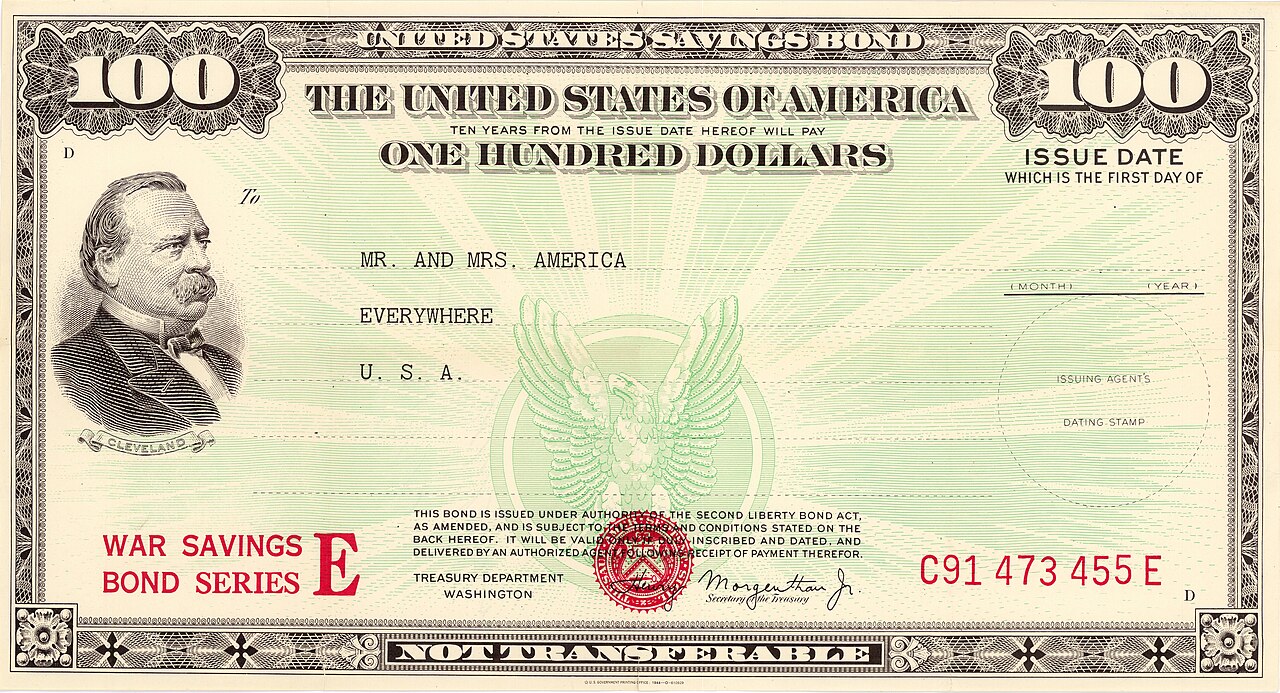

A certificate of deposit is a simple trade: you promise the bank your money for a set stretch of time, and the bank promises you a better rate than a plain savings account. The catch sits in the fine print. Break the promise early, and the bank charges you for it, sometimes lightly, sometimes hard enough to bite into the money you put in.
Those penalties are not standardized, and the gap between a forgiving CD and a punishing one is wider than most savers realize. With the FDIC’s national average rate on a 12-month CD sitting at 1.65 percent as of the agency’s mid-June update, and many banks and credit unions paying well above that average to attract deposits, plenty of people are shopping CDs this summer. Before you compare rates, compare exit costs.
The federal floor, and why there is no ceiling
Federal rules set a minimum penalty, not a maximum. Under the Federal Reserve’s Regulation D, codified at 12 CFR Part 204, a time deposit that lets you pull money out within the first six days after you fund it must charge a penalty of at least seven days of simple interest on the amount withdrawn. That is the floor that makes a CD a CD in the eyes of regulators.
Beyond that floor, banks are free to set penalties as they see fit, and there is no federal cap. As the Office of the Comptroller of the Currency explains on its consumer help site, penalty terms are governed by your account agreement, the document you agreed to when you opened the CD. If you did not read it then, it is worth requesting a copy now.
What banks typically charge
Almost every penalty is expressed the same way: a set number of days or months of interest, forfeited. The pattern across the industry is that longer terms carry steeper penalties. A short CD of a few months might cost you around 90 days of interest to break. A one-year CD commonly costs several months of interest. On long CDs of four or five years, penalties of a year of interest or more are not unusual, and some institutions go higher still.
Two details matter more than the headline number. First, does the penalty apply to the amount withdrawn or to the full balance? Most banks charge on the amount you take out, but not all, and partial withdrawals are not always allowed. Second, can the penalty eat your principal? The answer is often yes. If you break a CD before it has earned enough interest to cover the penalty, the bank typically takes the difference out of the money you deposited. A saver who opens a five-year CD and bails out after four months can walk away with less than they put in, entirely legally.
How to read the fine print before you sign
Banks must disclose early-withdrawal penalties before you open the account, so the information is available if you ask for it. Three questions cut to the heart of it:
First, how many days of interest is the penalty, and is it simple or compound interest? Second, is the penalty calculated on the withdrawn amount or the whole balance, and are partial withdrawals permitted at all? Third, what happens at maturity? Many CDs renew automatically after a short grace period, often around ten days, and money that rolls into a new term is locked up all over again, at whatever rate the bank is then paying. Mark the maturity date on a calendar the day you open the account.
Also confirm the basics: deposits at FDIC-member banks are insured up to $250,000 per depositor, per bank, per ownership category, including principal and accrued interest. Credit union CDs, usually called share certificates, carry equivalent coverage through the NCUA.
No-penalty CDs and other escape hatches
A growing number of banks offer no-penalty CDs, which allow you to withdraw the full balance after the first six days without forfeiting interest. The trade-off is usually a somewhat lower rate than a standard CD of the same length, and most no-penalty CDs require you to take the entire balance out at once rather than making partial withdrawals. For money you might need on short notice, that trade can still be worth it.
The older, cheaper trick is the CD ladder. Instead of putting $20,000 into one three-year CD, you split it across CDs maturing at different dates, perhaps every six or twelve months. Something is always close to maturity, so an emergency is less likely to force you into a penalty, and you get to reinvest at current rates on a rolling basis.
Some banks also waive penalties in specific hardship situations, most commonly the death or court-declared incompetence of the account owner. A few waive them when the owner reaches a certain age or for withdrawals of interest only, since interest already credited can often be taken without penalty. These waivers live in the account agreement too.
When paying the penalty is the right move
Breaking a CD is not automatically a mistake. It is arithmetic. Suppose you hold a CD paying a rate far below what new CDs offer, with a long stretch left until maturity. If the penalty costs you, say, six months of interest at the old low rate, and moving the money picks up a meaningfully higher rate for the remaining term, the new interest can outrun the penalty within months. The break-even math is simple enough to do on paper: penalty in dollars, divided by the extra dollars per month the new rate would earn, equals the number of months until you come out ahead.
The same logic runs the other way. If your CD matures soon, or the rate gap is small, the penalty will swallow the gain. And if the reason you want the money is an emergency rather than a better rate, compare the CD penalty against the alternatives, such as carrying a credit card balance. Forfeiting 90 days of interest is usually far cheaper than months of interest at a card rate.
The penalty is not a punishment so much as a price. Know the price before you lock the money up, and a CD stays what it should be: a quiet, insured place for money with a date attached.
This article was produced with AI assistance and reviewed by a human editor. Figures are linked to their primary sources; where a claim could not be verified from the public record, we say so.
Leave a Reply