Category: Your Money
-

Emergency Funds: How Much Is Enough, by the Numbers
The Fed’s newest survey says 37% of adults could not cover a $400 surprise with cash. What the data shows and how to size an emergency fund that fits your life.
-
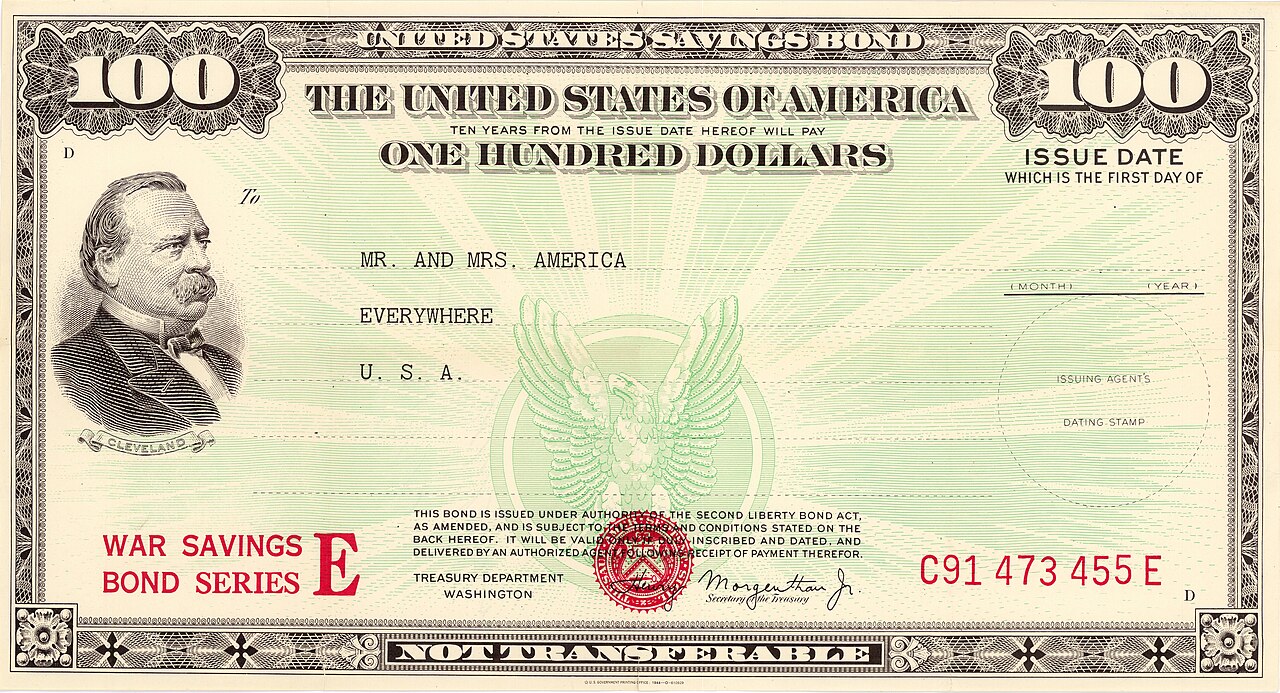
Certificates of Deposit: Early-Withdrawal Penalties, Compared
CD early-withdrawal penalties range from a few months of interest to more than a year. Here is the federal floor, the fine print, and when paying up makes sense.
-

Earning Money in Retirement Without Losing Benefits
How a part-time job in retirement interacts with Social Security’s 2026 earnings test, SSI’s income rules, and SNAP, and what actually gets reduced.
-

Where Savings Rates Stand at Midyear (and How to Chase Yield Safely)
The FDIC’s June update puts the average savings account at 0.38% and the average 12-month CD at 1.65%. What the numbers mean and how to earn more safely.
-

The 50/30/20 Budget on a Fixed Income: Where It Breaks Down
The 50/30/20 rule was built for paychecks, not benefit checks. Running the math on an average Social Security benefit shows exactly where it fails.
-

The 1099-K Rules for Casual Online Sellers, Explained
After years of whiplash, the 1099-K reporting threshold is back to $20,000 and 200 transactions. What casual sellers owe tax on, and what they never did.
-

Bank Fees You Can Get Refunded Just by Asking
Overdraft, maintenance, and late fees are set by bank policy, not law, and banks reverse them constantly. What to say, what to know, and when to escalate.
-

Joint Bank Accounts and Aging Parents: Set It Up Safely
Adding an adult child to a parent’s bank account is the common move, and often the wrong one. CFPB-recommended alternatives that protect everyone.
-

How High-Yield Savings Accounts Actually Work
The average savings account pays 0.38%. High-yield accounts pay many times that with the same FDIC insurance. APY, fine print, and the real math.
-

What Closing an Old Credit Card Does to Your Score
Closing an old credit card can raise your utilization and shrink your credit history. Here is what actually happens to your score, and when closing still makes sense.