Category: Consumer Watch
-
Midyear Scam Report: The Frauds Costing Americans the Most in 2026
FTC data show a record $16 billion in reported fraud losses for 2025: $7.9 billion to investment scams, $3.5 billion to imposters. What to watch this year.
-

Funeral Costs and Your Rights Under the FTC Funeral Rule
The FTC Funeral Rule gives you the right to prices over the phone, an itemized list, and your own casket. What funerals cost and how to use those rights.
-

Social Security Scam Calls: What the Real SSA Will Never Say
Government impersonation complaints jumped 25% last year. The exact things the real Social Security Administration will never say on a call, per SSA and its OIG.
-

Warranty Rights You Have Even Without the Paperwork
Lost the warranty card? Federal law and automatic implied warranties still protect you. What Magnuson-Moss covers and how to push back when a seller says no.
-

Debt Settlement Companies: Read This Before You Sign
Debt settlement firms promise pennies on the dollar. Federal rules, the fees, the credit damage, and the tax bill they mention less often, explained.
-

Food Recalls: Where the Alerts Come From and How to Get Them First
Two federal agencies announce food recalls, on different websites, for different foods. How the system works and how to get the alerts before the news does.
-

Data Breach Notice in the Mail? Your First 48 Hours
A data breach letter is a to-do list, not a death sentence. The free steps that matter in the first two days: freeze, change, watch, and document.
-

Romance Scams: The Red Flags Banks Are Trained to Watch
FinCEN gives banks a written checklist of romance scam warning signs. Here are the behavioral and transaction red flags, and how to run them on yourself.
-

Medicare Fraud: Spotting Charges for Care You Never Got
Billions in Medicare fraud gets caught because someone read a statement. How to check your Medicare Summary Notice, spot fake charges, and report them.
-
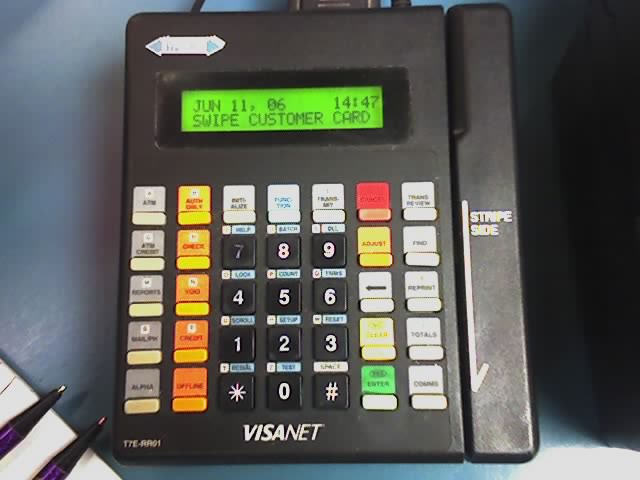
Your Right to Dispute a Credit Card Charge
Federal law gives you 60 days to dispute a credit card billing error, caps unauthorized-charge liability at $50, and lets you withhold the disputed amount. Here’s how.