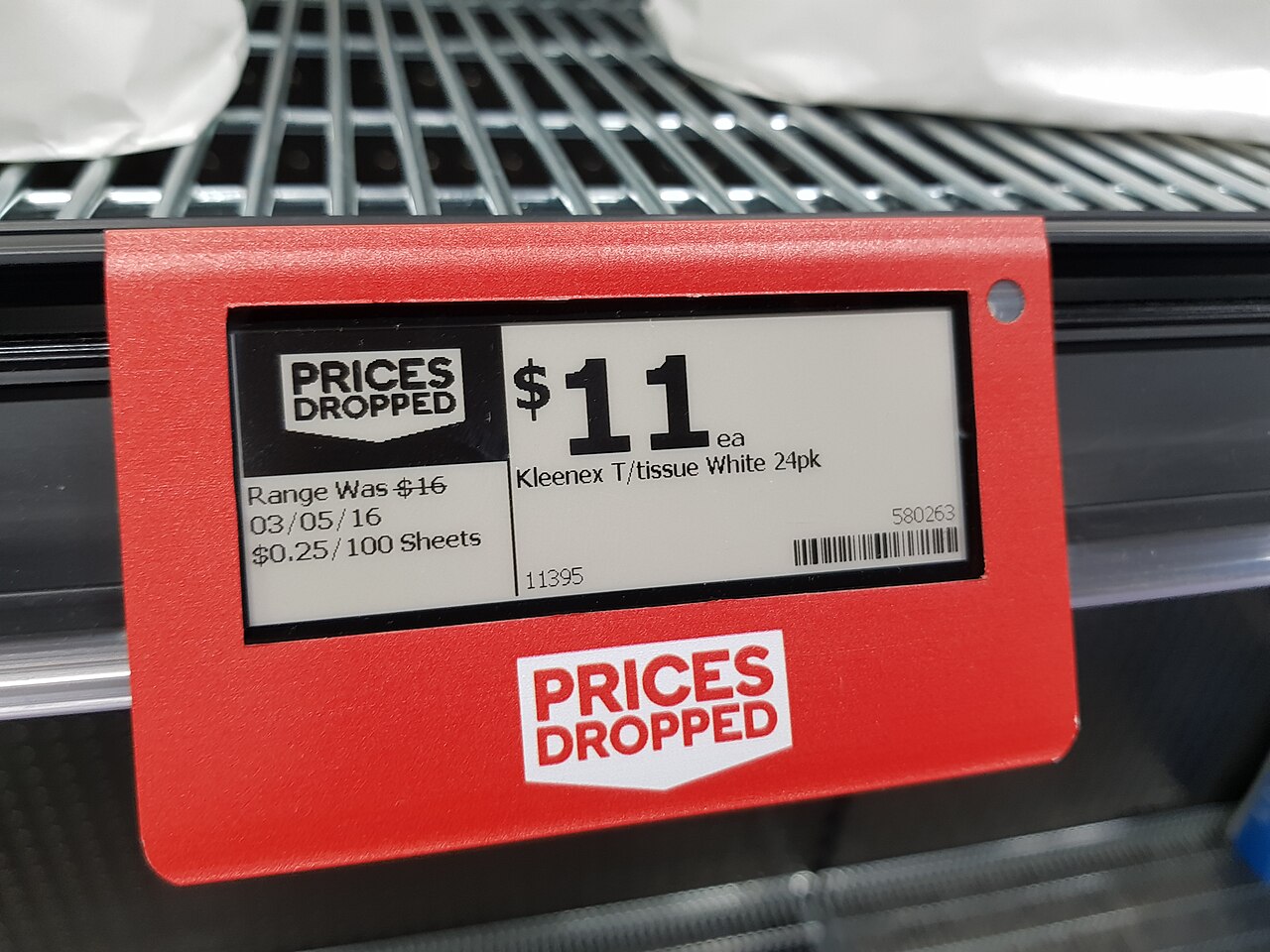

Overall inflation is now running at 4.2 percent, the fastest 12-month pace in years, and one category is doing most of the pushing. The May Consumer Price Index, released this morning by the Bureau of Labor Statistics, showed prices up 0.5 percent for the month, with energy alone accounting for over sixty percent of that increase.
Headline numbers hide as much as they show, though. Underneath 4.2 percent is a split economy: fuel and a handful of grocery categories are climbing hard, while dairy, car insurance, and new vehicles are actually getting cheaper. Here is the category-by-category picture, straight from the release.
1. Gasoline: up 40.5 percent in a year
Nothing else in the report is close. The gasoline index rose 7.0 percent in May alone, on top of big jumps in March and April, and now stands 40.5 percent above a year ago. Fuel oil, which heats homes across the Northeast, is up 58.9 percent over 12 months. The broader energy index has risen 23.5 percent in a year, the kind of move that shows up in every household budget with a commute, and one big reason the all-items number accelerated from 3.8 percent in April to 4.2 percent in May.
Home energy has been milder but is not sitting still: electricity is up 5.9 percent over the year, while natural gas service is up a comparatively tame 3.0 percent.
2. At the grocery store: produce and your morning coffee
Food at home rose a modest 0.1 percent in May and is up 2.7 percent for the year, but the averages conceal a wide spread. The fastest-rising grocery aisles over the past 12 months, per the BLS detail:
Fruits and vegetables: up 6.1 percent, the steepest yearly climb of the six major grocery groups.
Nonalcoholic beverages: up 5.8 percent, with beverage materials including coffee and tea rising 1.1 percent in May alone.
Meanwhile the relief is real in the cases at the back of the store: dairy and related products are down 1.0 percent over the year, and the cheese index fell 2.9 percent just in May. The meats, poultry, fish, and eggs group is up only 1.8 percent over 12 months, and cereals and bakery products 1.9 percent, both running well below overall inflation.
3. Eating out keeps outpacing eating in
Restaurant prices rose 0.3 percent in May and are up 3.5 percent over the year, with full-service meals (up 3.8 percent) climbing faster than fast food (up 3.3 percent). That gap between restaurant inflation and grocery inflation, 3.5 percent versus 2.7 percent, has been a consistent pattern, and it is the easiest arbitrage in the report for anyone trying to cut costs.
4. Shelter and apparel: the steady climbers
Shelter, the biggest single component of the index, rose 0.3 percent in May and 3.4 percent over the year, with rent up 0.4 percent for the month. It is no longer accelerating, but at a third of household spending, 3.4 percent on shelter moves more actual dollars than 40 percent on gasoline for many families. Apparel is up 4.8 percent over 12 months, and airline fares jumped 2.7 percent in May alone.
What’s actually falling
The report’s good news column is short but genuine. Motor vehicle insurance, one of the nastiest line items of recent years, fell 1.7 percent in May. New vehicle prices dropped 0.3 percent for the month and are up just 0.2 percent over the year, essentially flat. Used cars and trucks are down 2.0 percent from a year ago, medical care commodities, mostly prescription and over-the-counter drugs, are down 1.8 percent, and household furnishings fell 0.6 percent in May.
Stripping out food and energy entirely, “core” inflation rose just 0.2 percent in May and 2.9 percent for the year. In other words, the underlying trend is far calmer than the headline; the pain is concentrated, and it is concentrated at the pump.
Why retirees should watch one number in this report
The release also updates the CPI-W, the version of the index that determines the Social Security cost-of-living adjustment: it is up 4.4 percent over the past 12 months, running even hotter than the headline index. The 2027 COLA will be set this October from third-quarter CPI-W data, so nothing is decided yet, but if inflation holds anywhere near this pace through the summer, the adjustment announced in the fall will be substantially larger than recent years’. That cuts both ways: the same gas and food prices driving a bigger COLA are draining budgets right now, and the raise arrives in January.
What to do with this information
You cannot negotiate with a price index, but you can aim spending at the categories moving your way: dairy, meat, and cereal aisles over produce and bottled beverages at the margin, groceries over restaurants, and a real comparison shop on car insurance, where the market has turned in consumers’ favor. Fuel is the hard one; the only reliable defenses are driving less, combining trips, and price-shopping stations, because the trend is not cooperating.
The next reading arrives in a month: BLS has the June CPI scheduled for release on July 14. The thing to watch is whether energy finally cools; until it does, that one aisle of the economy is writing the whole inflation story. Full tables and category detail are on the BLS Consumer Price Index page.
This article was produced with AI assistance and reviewed by a human editor. Figures are linked to their primary sources; where a claim could not be verified from the public record, we say so.
Leave a Reply