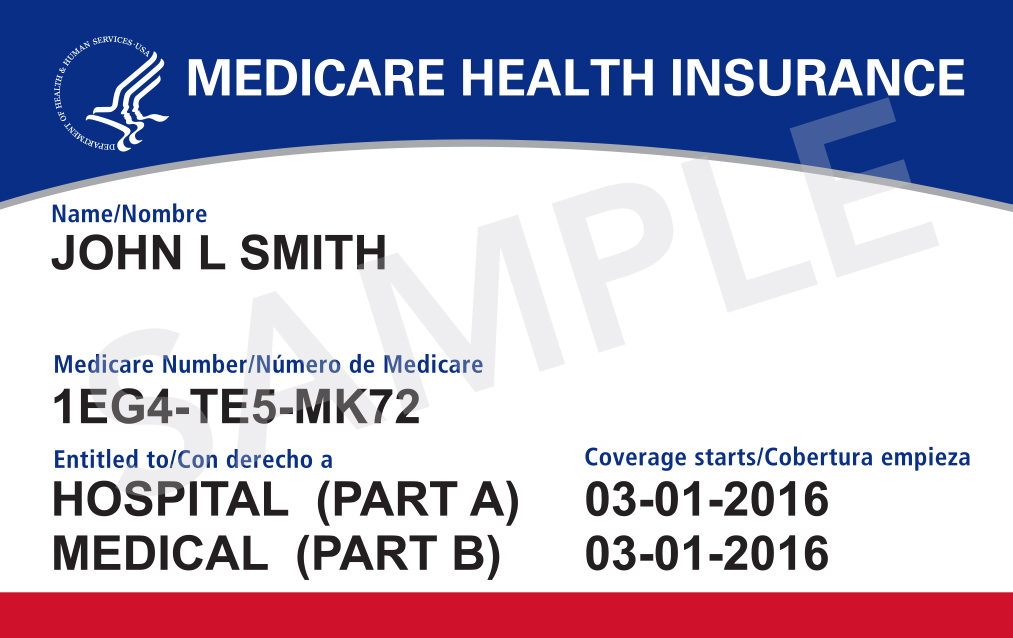
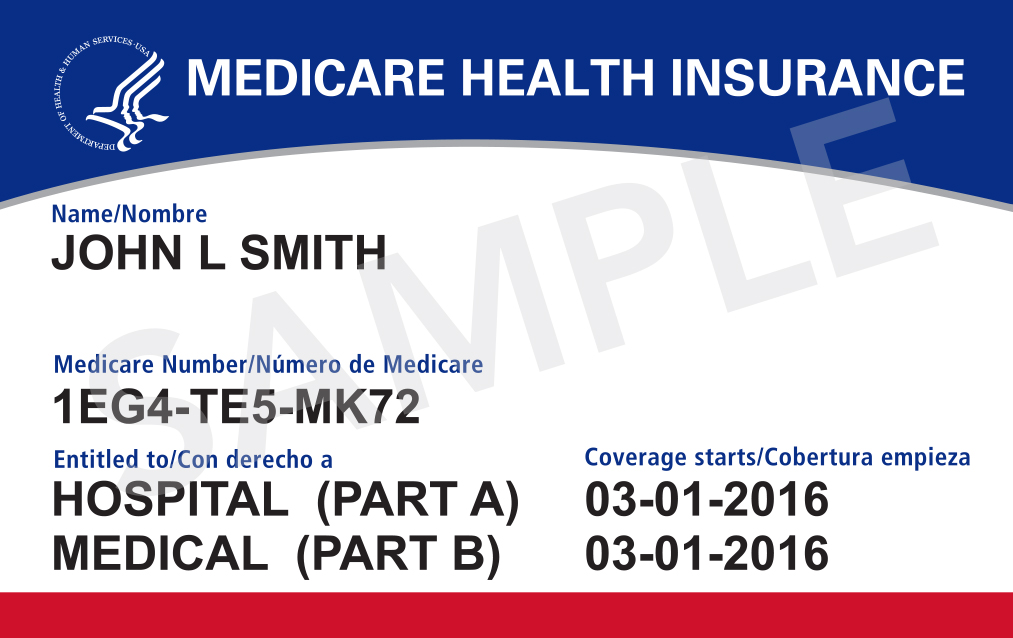
The standard Medicare Part B premium is $202.90 a month in 2026. For most retirees, that money never touches their checking account. It comes straight out of the Social Security check before the deposit lands, which is why plenty of people could not tell you the exact number if you asked.
It is worth knowing anyway, because the number moved. The premium rose $17.90 from $185.00 in 2025, one of the larger dollar increases in the program’s history, and about 8% of enrollees pay considerably more than the standard amount because of an income-based surcharge. The figures below come from the official rate announcement the Centers for Medicare & Medicaid Services released on November 14, 2025.
The standard numbers for 2026
Part B is the part of Medicare that covers doctor visits, outpatient hospital care, durable medical equipment, and many preventive services. Unlike Part A, which is premium-free for roughly 99% of beneficiaries, Part B charges everyone a monthly premium.
For 2026, the baseline costs are:
- Standard monthly premium: $202.90, up $17.90 from $185.00 in 2025.
- Annual deductible: $283, up $26 from $257. You pay this amount out of pocket for covered services before Part B starts paying its share.
- After the deductible, you generally owe 20% coinsurance on covered services, with no annual cap in Original Medicare unless you carry a Medigap policy or other secondary coverage.
CMS attributed the increase mainly to projected price changes and higher expected use of services. The agency also said the increase would have been about $11 a month larger without a rule change that cut projected spending on skin substitutes. For comparison, the Part A hospital deductible, which applies per benefit period if you are admitted, is $1,736 in 2026. The full breakdown of both parts is on the Medicare.gov costs page.
Who pays more than $202.90
Since 2007, higher-income beneficiaries have paid an income-related monthly adjustment amount, known as IRMAA, on top of the standard premium. The Social Security Administration decides who owes it using the modified adjusted gross income on your tax return from two years earlier. Your 2026 premium is based on the 2024 return you filed in 2025.
That two-year lookback trips people up. A one-time spike in 2024 income, such as selling a house, converting a traditional IRA to a Roth, or taking a large withdrawal, can push your 2026 premium up even if your income today is modest. SSA explains the mechanics in its guide to Medicare premiums for higher-income beneficiaries.
The 2026 income brackets
Here is the full CMS table for 2026, showing total monthly Part B premiums by modified adjusted gross income. The first figure in each line is for single filers; the second is for joint filers.
- Up to $109,000 single / $218,000 joint: $202.90 (no surcharge)
- Over $109,000 to $137,000 / over $218,000 to $274,000: $284.10
- Over $137,000 to $171,000 / over $274,000 to $342,000: $405.80
- Over $171,000 to $205,000 / over $342,000 to $410,000: $527.50
- Over $205,000 but under $500,000 / over $410,000 but under $750,000: $649.20
- $500,000 and up / $750,000 and up: $689.90
Notice that the brackets are cliffs, not ramps. One dollar of extra income over a threshold can add roughly $81 to $122 a month to your premium for the entire year. Higher-income households also pay a separate Part D surcharge on drug coverage, ranging from $14.50 to $91.00 a month in 2026, listed in the same CMS fact sheet.
A harsher table for married filing separately
Couples who live together at any point in the year but file separate returns get almost no middle ground. In 2026, a separate filer with income of $109,000 or less pays the standard $202.90. Above that, the premium jumps straight to $649.20, and it reaches $689.90 at $391,000 of income. If you and your spouse file separately for other reasons, it is worth running the Medicare math before you commit.
Your income dropped? You can ask for a recalculation
Because the surcharge is based on a two-year-old return, the law lets you ask SSA to use more recent income if a qualifying life-changing event reduced it. The list includes retirement or reduced work hours, marriage, divorce, the death of a spouse, and loss of income-producing property. The request goes in on Form SSA-44, with documentation such as a retirement letter or a more recent tax return.
This is not a loophole; it is a standard process, and it works for the common case of someone who retired in 2025 or 2026 but is being billed on peak working-year income from 2024. If you simply think SSA used the wrong return, you can also appeal the determination itself.
If the premium is a hardship
On the other end of the income scale, help exists and goes unused. State-run Medicare Savings Programs pay the full Part B premium for beneficiaries with limited income and assets, and some versions also cover deductibles and coinsurance. Qualifying automatically enrolls you in Extra Help with drug costs as well. Income and asset limits vary by state, so it costs nothing to apply through your state Medicaid office even if you are not sure you qualify.
The bottom line for 2026: $202.90 is the headline number, $283 is the deductible, and the real planning risk sits in the brackets. If you are within sight of a threshold, the time to think about it is before you realize a big gain, not after the premium notice arrives.
This article was produced with AI assistance and reviewed by a human editor. Figures are linked to their primary sources; where a claim could not be verified from the public record, we say so.
Leave a Reply