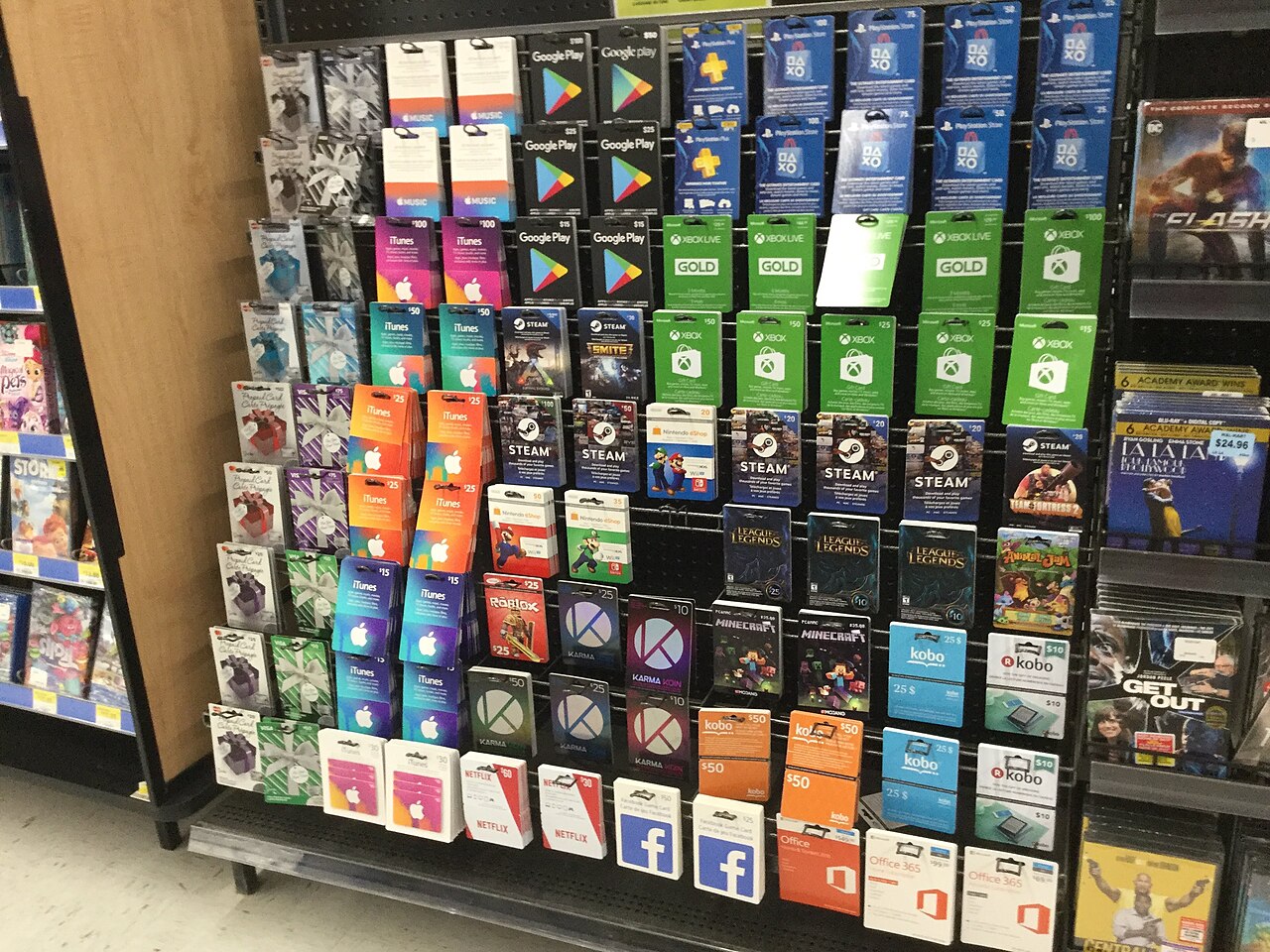

Fraud has a thousand opening lines and exactly one favorite ending. The caller may claim to be the IRS, Social Security, Microsoft, your electric company, or a grandchild in a jail cell. The story changes; the payment demand does not: go to a store, buy gift cards, and read me the numbers on the back.
The Federal Trade Commission’s guidance on this could not be plainer: only scammers tell you to pay with a gift card. No business, no government agency, no utility, no police department, ever. If you learn a single rule about fraud this year, make it that one, because it collapses every one of these schemes in the first minute of the call.
Why criminals love gift cards
Gift cards are the scammer’s dream payment: instant, anonymous, and nearly impossible to claw back. The moment you read those digits over the phone, the value can be drained or resold, often within minutes and often from overseas. Unlike a credit card charge, there is no built-in dispute process, and unlike a bank transfer, there is no institution watching for fraud in the middle.
The scale is not small. Consumers reported losing $12.5 billion to fraud in 2024, according to the FTC’s Consumer Sentinel data book, a 25 percent jump in a single year. And an earlier FTC analysis found that about one in four people who reported losing money to fraud said it happened when a scammer demanded gift cards.
The scripts, so you recognize them mid-sentence
The FTC catalogs the same handful of stories over and over. Each one pairs fear with a deadline:
- The government imposter. “This is the Social Security Administration. Your number has been suspended. Pay a fee today or face arrest.” Real agencies send letters; the Social Security inspector general warns that threats and demands for immediate payment are the signature of a fake.
- Tech support. A pop-up or caller says your computer is infected, then wants payment, remote access, or both.
- The family emergency. A grandchild needs bail or hospital money right now, and please don’t tell Mom. Voice-cloning has made these calls frighteningly convincing.
- The prize. You have won a sweepstakes; just cover the “taxes” with an eBay or Apple card first. Winners never owe fees.
- The utility shutoff. Your power will be cut within the hour unless you pay by card.
Two production details give the scam away every time. The caller tells you exactly which cards to buy and which stores to visit, sometimes several stores so cashiers won’t get suspicious. And they stay on the phone with you while you drive there. No legitimate transaction on earth works this way. Hang up, then call the real agency or family member using a number you look up yourself.
If the numbers have already been read: move in this order
Speed matters more than embarrassment. Some card issuers can freeze remaining balances, and some victims do get money back, but only when they act fast.
1. Call the gift card company immediately. Use the fraud lines on the FTC’s contact list: Amazon at 1-888-280-4331; Apple at 1-800-275-2273 (say “gift card”); Target at 1-800-544-2943; Walmart at 1-888-537-5503; Visa at 1-800-847-2911; Google Play through its online report form. Ask whether money remains on the card and whether it can be frozen, and request a refund; the FTC notes some companies are giving money back in scam cases. Keep the card and the store receipt, and no matter how long ago it happened, report it anyway.
2. Report it to the FTC at ReportFraud.ftc.gov. Reports feed the Sentinel database that law enforcement uses to spot rings and build cases.
3. Warn the household. Scammers resell victim lists, and a follow-up caller may pose as a “recovery service” that can get your money back for an upfront fee. That is the same scam wearing a different hat.
A word for families
These crews deliberately target older adults, and the most effective defense costs nothing: a conversation before the phone rings. Agree on a family rule that no one ever pays anyone with a gift card, and set up a code word for real emergencies so a panicked late-night call can be verified in five seconds. Cashiers and pharmacy clerks have interrupted many of these scams in progress; a family member who knows the script can do it even earlier.
When you buy gift cards for their actual purpose, gifts, the FTC’s advice is practical: buy from stores you trust, check that the packaging and PIN covering are intact, and photograph the card and receipt before you hand it over.
Gift cards are for presents. The instant anyone frames them as a payment, whatever the story, whoever they claim to be, you are not talking to a company or a government. You are talking to a thief, and you are allowed to hang up on a thief mid-sentence.
This article was produced with AI assistance and reviewed by a human editor. Figures are linked to their primary sources; where a claim could not be verified from the public record, we say so.
Leave a Reply