
The check was for $84, made out to the water company. By the time it cleared, it was for $8,400, made out to a stranger. Nothing about the paper looked wrong to the bank, because the paper was real. Only the ink had been replaced.
That is check washing, a crime older than the ballpoint pen that has come roaring back in the era of organized mail theft. Federal regulators have documented the surge in unusual detail, and the numbers explain why the humble act of mailing a check now deserves more caution than it did a decade ago.
How the scheme actually works
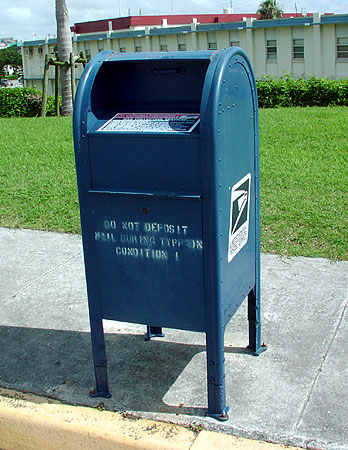
It starts with stealing mail. Thieves fish envelopes out of blue collection boxes, sometimes using stolen or counterfeited universal “arrow keys” that open them, or they pull outgoing mail from home mailboxes, especially ones with the flag raised. The Treasury Department’s Financial Crimes Enforcement Network, in a joint alert with the U.S. Postal Inspection Service, described criminals ranging from lone mail thieves to organized rings that have targeted mail carriers themselves for their keys.
A stolen check is then “washed”: common household chemicals dissolve handwritten ink while leaving the printed check stock, the signature line’s preprinted elements, and often the signature itself intact. The thief rewrites the payee and the amount, then deposits the check, sells it, or uses it as a template to print counterfeits. FinCEN’s alert notes that washed checks are also sold in bulk online, so the person cashing your check may be several transactions removed from whoever stole it.
The numbers behind the comeback
Banks must file reports on suspected fraud, which gives an unusually clear picture of the trend. According to the same FinCEN alert, financial institutions filed more than 350,000 suspicious activity reports for potential check fraud in 2021, up 23 percent from 2020, and filings nearly doubled to over 680,000 in 2022.
The follow-up data is just as striking. In the six months after the alert went out, banks filed 15,417 reports of mail theft-related check fraud specifically, describing more than $688 million in suspicious activity, according to FinCEN’s in-depth analysis published in 2024. That figure covers only what banks caught and reported in half a year, from a single category of check fraud.
Who eats the loss when it happens
Here is the moderately good news. A check that has been altered or forged is generally not “properly payable,” and banks that pay one are usually obligated to make the account holder whole, provided you report the problem promptly. The operative word is promptly: your deposit agreement and state law set deadlines, and reviewing statements within days rather than weeks preserves your rights. Expect the bank to have you complete an affidavit of forgery, and expect recovery to take time while the banks involved sort out which of them bears the loss.
The genuine hazard is the waiting period. A washed check for thousands of dollars can empty an account and trigger a cascade of bounced payments before the money is restored. The bill you originally mailed also never arrived, so the payee may be assessing late fees while you sort out the fraud. Prevention is worth far more than the eventual reimbursement.
Making your mail a harder target
The Postal Inspection Service publishes practical check-washing prevention guidance, and the consistent themes are these. Do not leave outgoing mail in your home mailbox with the flag up; that flag signals thieves as effectively as it signals the carrier. If you use a blue collection box, deposit mail before the day’s last pickup so it does not sit overnight, or hand it to a carrier or bring it inside the post office. Retrieve incoming mail quickly and have it held when you travel.
For the checks themselves, pens matter: gel ink resists the solvents used in washing far better than ordinary ballpoint ink. Better still, write fewer checks. Paying the water bill through your bank’s online bill pay or the biller’s own site removes the paper from the mailstream entirely. And check your account activity weekly, comparing cleared check images against your records, since your own review is what starts the clock on getting money back.
If your check has been washed
Move on four fronts at once. Contact your bank immediately to dispute the item and freeze or reopen the account if advised. Report the mail theft to the Postal Inspection Service through uspis.gov or 1-877-876-2455. File a complaint with the FBI’s Internet Crime Complaint Center, which feeds federal fraud investigations. And notify whoever was supposed to receive the original payment, so a stolen check does not also become a late bill on your credit record.
A crime this analog persists because it works on autopilot: unattended envelopes, everyday ink, and account holders who look at statements once a month. Break any one of those links and you are no longer the easy target.
This article was produced with AI assistance and reviewed by a human editor. Figures are linked to their primary sources; where a claim could not be verified from the public record, we say so.
Leave a Reply