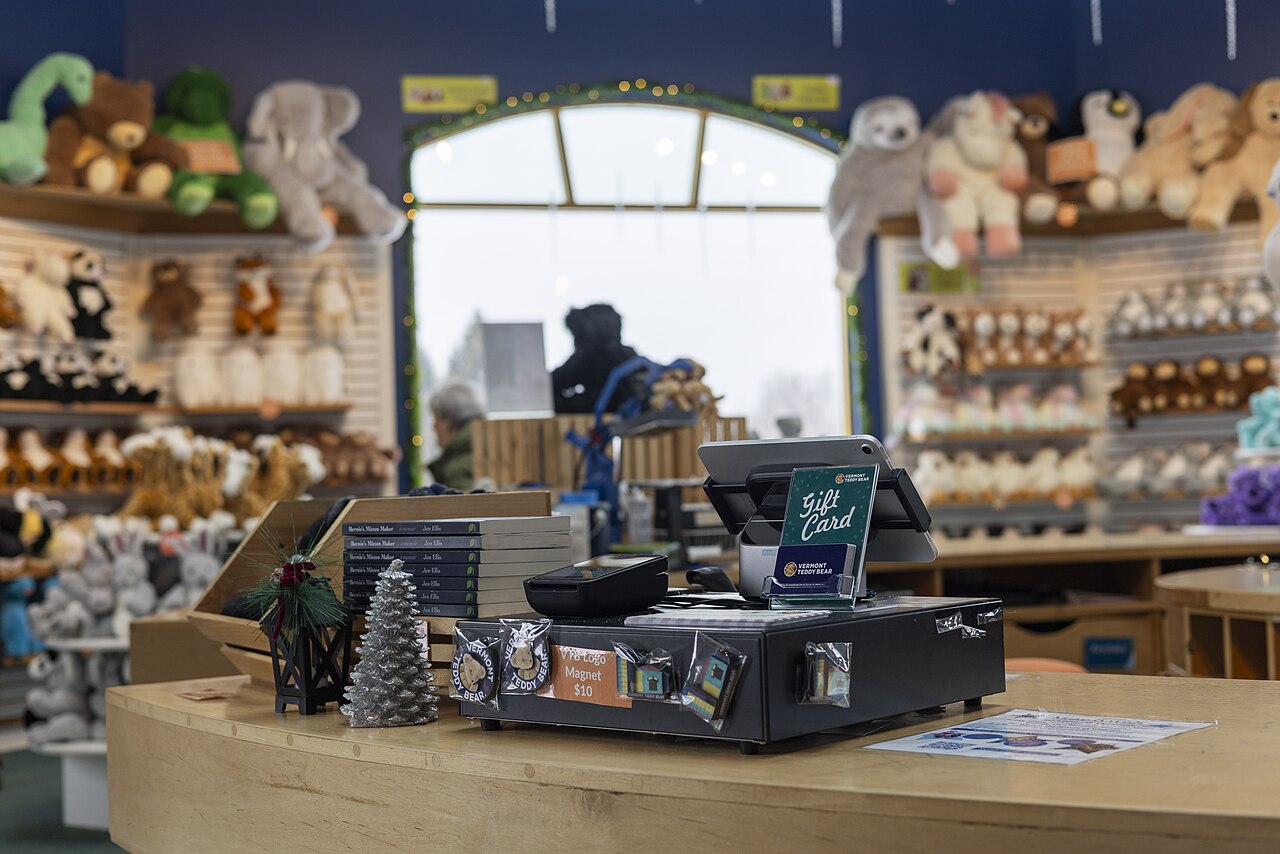

Two cashiers doing the same job can be legally paid $10.70 an hour apart in 2026, depending on which side of a state line they stand. In Washington State, the wage floor is $17.13 an hour. In Texas, it is the federal minimum of $7.25, a number that has not moved since July 2009.
The federal rate sets the baseline, but most of the action is now in state capitols and city halls. According to the Department of Labor’s state minimum wage table, updated January 1, 2026, thirty states plus the District of Columbia now require more than $7.25, and roughly a third of the country has a floor of $15.00 or higher. Here is the current map, and what is scheduled to change over the next few months.
The rule that decides which number applies to you
When federal, state, and local minimum wages differ, covered workers are entitled to the highest one. The federal minimum under the Fair Labor Standards Act is $7.25 per hour for covered, nonexempt employees. A state can go higher, and many cities and counties go higher still. The Labor Department notes that its state table does not display local rates, so workers in places such as the Portland metro area, which has its own $16.30 rate within Oregon, should check their city or county as well.
The top of the range
As of late May 2026, the highest broad wage floors in the country, per the Labor Department table, are:
The District of Columbia at $17.95, Washington State at $17.13, New York City and its downstate suburbs (Nassau, Suffolk, and Westchester counties) at $17.00, Connecticut at $16.94, California at $16.90, and Hawaii and Rhode Island at $16.00. The rest of New York State is also at $16.00.
Most of these states now adjust their rates automatically each year using an inflation formula, which means the top of the range tends to creep up annually without any new legislation.
The $15 club keeps growing
January 1, 2026 brought increases in more than a dozen states. Missouri and Nebraska both reached $15.00 this year under voter-approved ballot measures, joining Delaware, Illinois, Maryland, and Massachusetts at that level. Maine sits at $15.10, Colorado at $15.16, Arizona at $15.15, New Jersey at $15.92 for most employers, and Oregon’s standard rate is $15.05. All of these figures come from the Labor Department’s consolidated minimum wage table.
A tier of states sits in the middle: Florida at $14.00, Vermont at $14.42, Michigan at $13.73, Alaska at $13.00, Virginia at $12.77, Nevada and New Mexico at $12.00, South Dakota at $11.85, Minnesota at $11.41, and Arkansas and Ohio at $11.00.
Twenty states are still at $7.25
In twenty states, the effective floor for most workers is still the federal $7.25. Five of them, Alabama, Louisiana, Mississippi, South Carolina, and Tennessee, have no state minimum wage law at all. Georgia and Wyoming have state rates of $5.15 on the books, and Oklahoma’s small-employer rate is $2.00, but employers covered by the federal Fair Labor Standards Act, which is most of them, must pay $7.25 anyway. The remainder, including Texas, Pennsylvania, North Carolina, Wisconsin, and Utah, either match the federal rate or adopt it by reference.
For a full-time worker, the gap is substantial: $7.25 for 40 hours a week, 52 weeks a year, comes to about $15,080 before taxes, versus roughly $35,630 at Washington State’s rate.
What is scheduled to change this summer and fall
Three more increases are already on the calendar, per the Labor Department table:
Alaska is scheduled to rise from $13.00 to $14.00 on July 1, 2026, the third step of a 2024 ballot measure. The District of Columbia and Oregon both adjust their rates every July 1 under set formulas, so new numbers take effect there the same day. And Florida is scheduled to move from $14.00 to $15.00 on September 30, 2026, the final step of the schedule voters approved in a 2020 constitutional amendment. Michigan’s next step, to $15.00, is set for January 1, 2027.
Because these are scheduled changes, workers in those states should confirm the exact new rates with their state labor agency when they take effect.
Tipped workers live under a different math
Federal law allows employers to pay tipped employees a cash wage of as little as $2.13 an hour, so long as tips bring the worker up to the full minimum; if they do not, the employer must make up the difference. States diverge sharply here too. Some, including California, Washington, and Oregon, require the full state minimum before tips, while others allow tip credits of varying sizes. The Labor Department keeps a separate state-by-state table for tipped employees that is worth checking if any of your pay arrives as tips.
How to check your own floor
Start with the Labor Department’s state table linked above, then check whether your city or county sets a higher local rate, since those are not shown in the federal table. If your paycheck works out to less than the highest applicable minimum for the hours you worked, you can file a confidential complaint with the department’s Wage and Hour Division or your state labor office. Employers found to owe back wages are routinely required to pay them, and the division maintains a searchable database of workers who are owed money from past cases.
The bottom line for 2026: the federal number has been frozen for nearly seventeen years, but for most American workers it is no longer the number that matters. The one that does depends on your state, and increasingly, your zip code.
This article was produced with AI assistance and reviewed by a human editor. Figures are linked to their primary sources; where a claim could not be verified from the public record, we say so.
Leave a Reply