Category: Economy & Work
-

What the June Jobs Report Says About the Second Half
Employers added just 57,000 jobs in June and the unemployment rate fell to 4.2% for the wrong reason. What the BLS report signals for hiring, wages and rates.
-

Minimum Wage Rises July 1 in These States and Cities
Alaska hits $14, D.C. reaches $18.40, Oregon’s three tiers rise, and Chicago and San Francisco adjust. The July 1, 2026 minimum wage changes, state by state.
-

Second Careers After 60: The Money Rules to Know
Working after 60 touches Social Security’s earnings test, Medicare timing, and bigger 401(k) catch-ups. The 2026 rules, with the actual dollar limits.
-
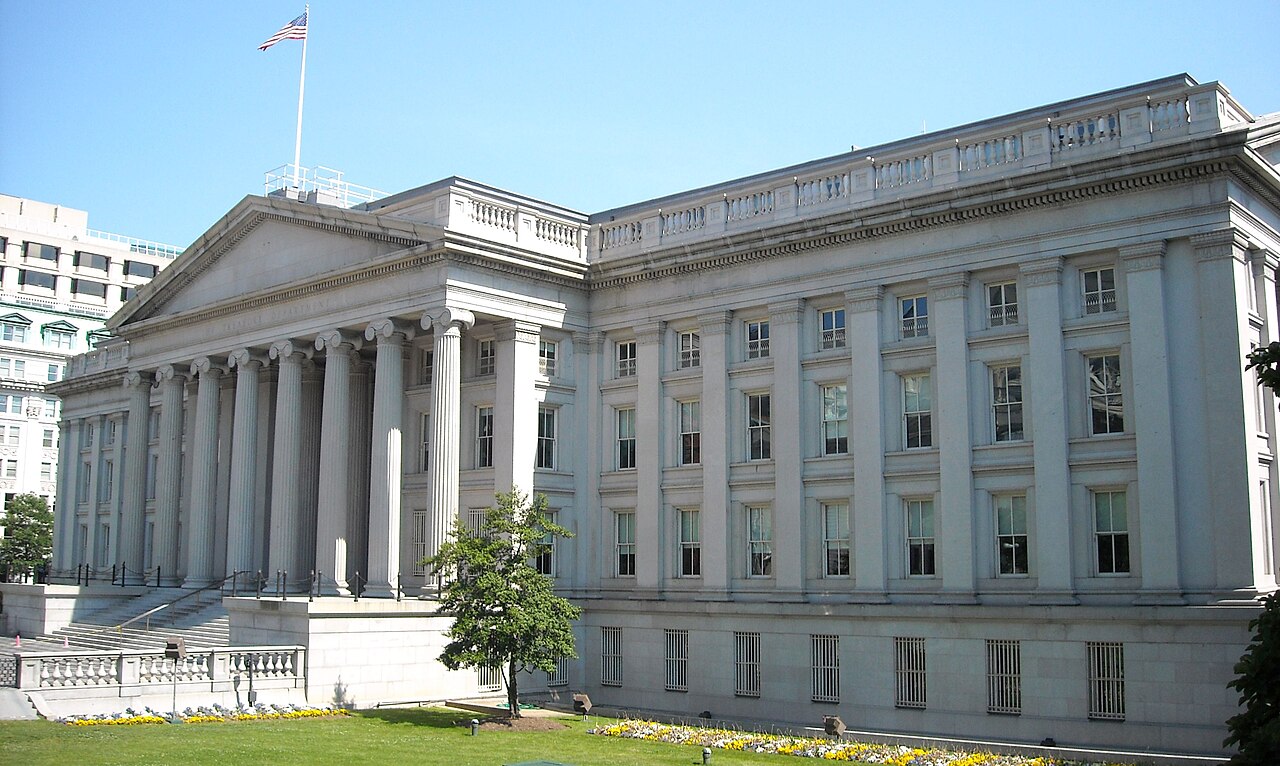
Treasury Bonds, Bills, and Notes: How to Buy Them Direct
How to buy Treasury bills, notes, and bonds straight from the government at TreasuryDirect: $100 minimum, no fees, and an auction calendar that runs weekly.
-

How Layoffs Legally Work: WARN Notices, Severance, and Your Rights
What the WARN Act actually requires, why severance is negotiable, and the health coverage and unemployment steps to take in the first week after a layoff.
-
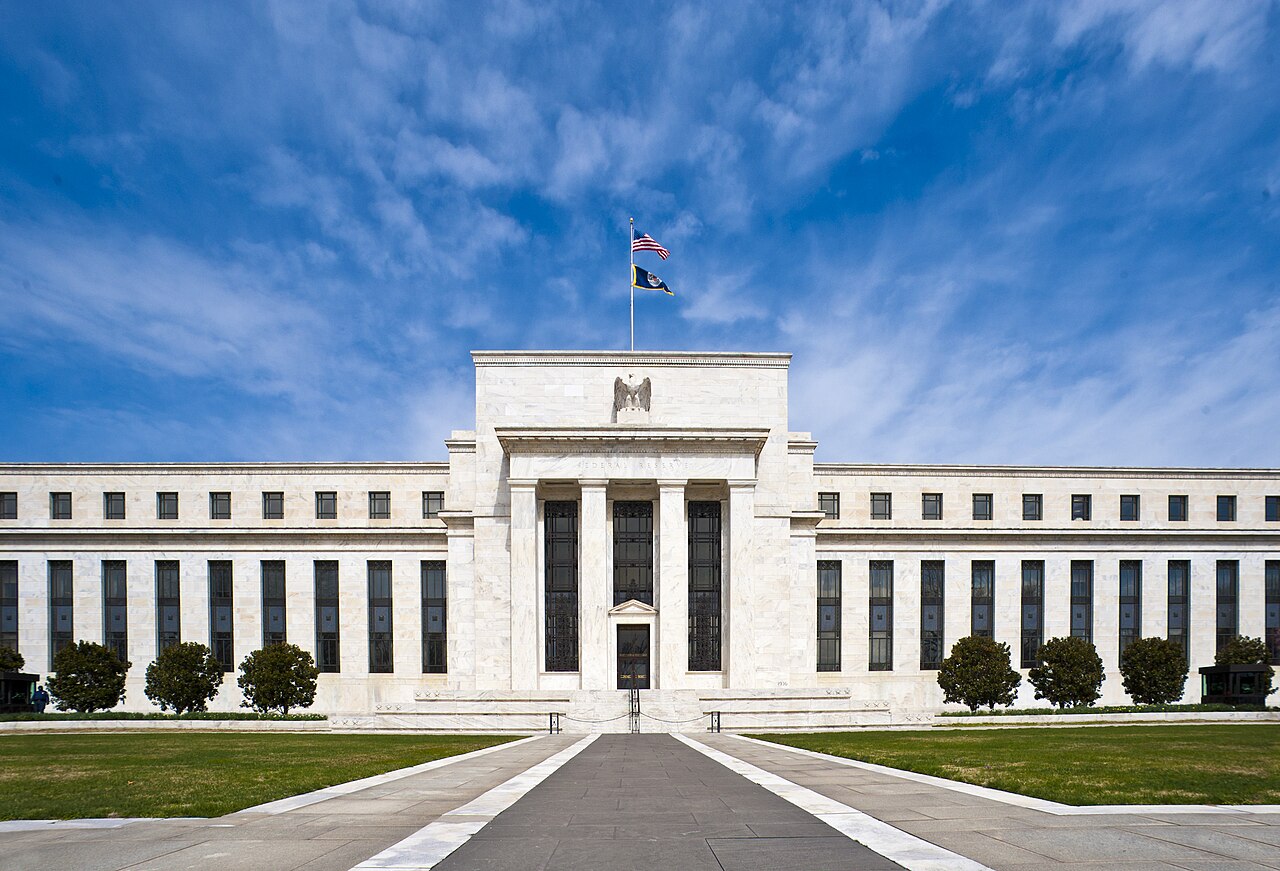
The Fed’s June Decision: What It Means for Your Wallet in Weeks
The Fed held rates at 3.5 to 3.75 percent on June 17 but penciled in a possible hike. What that means for cards, savings, and mortgages in the weeks ahead.
-

Age Discrimination After 40: What the Law Actually Covers
The federal age discrimination law protects workers 40 and older, but not everywhere and not forever. What the ADEA covers, and the filing deadlines.
-

Why Economists Watch the 10-Year Treasury (and Why It Hits Your Mortgage)
The 10-year Treasury yield sets the base price of long-term money in America. What it is, who moves it, and why your mortgage quote follows it.
-

What the May Jobs Report Means for Rates and Your Savings
May’s 172,000-job gain keeps the Fed in no hurry to cut. What the report means for savings yields, CD decisions, and loan rates this summer.
-
Where the Minimum Wage Stands in 2026, State by State
The federal minimum wage is still $7.25, but state floors in 2026 range from that up to $17.95. Here is where every state stands, from DOL data.