Author: Alex Clark
-

Why Car Insurance Jumped (and How to Actually Shop It)
Car insurance prices are nearly flat over the past year, but the 2023-24 surge never rolled back. Why premiums jumped and how to shop them down.
-

What Closing an Old Credit Card Does to Your Score
Closing an old credit card can raise your utilization and shrink your credit history. Here is what actually happens to your score, and when closing still makes sense.
-

Overtime Rules: Who Is Owed Time and a Half
Federal law requires time and a half after 40 hours for most workers. Where the $684-a-week exempt salary threshold stands in 2026, and the myths that cost people pay.
-

The Grandparent Scam: The Script Criminals Read From
Grandparent scams follow a predictable script: a fake emergency, a demand for secrecy, untraceable payment. Here is each step and the family rule that beats it.
-

Capital Gains When You Sell Your Home: The $250,000 Exclusion
Sell your main home and up to $250,000 of profit ($500,000 married) can be tax-free. The IRS ownership and use tests, the basis math, and the exceptions.
-

Medicare Savings Programs: When Your State Pays Your Part B Premium
Medicare Savings Programs can pay your $202.90 Part B premium in 2026. Here are the QMB, SLMB, and QI income limits and how to apply through your state.
-
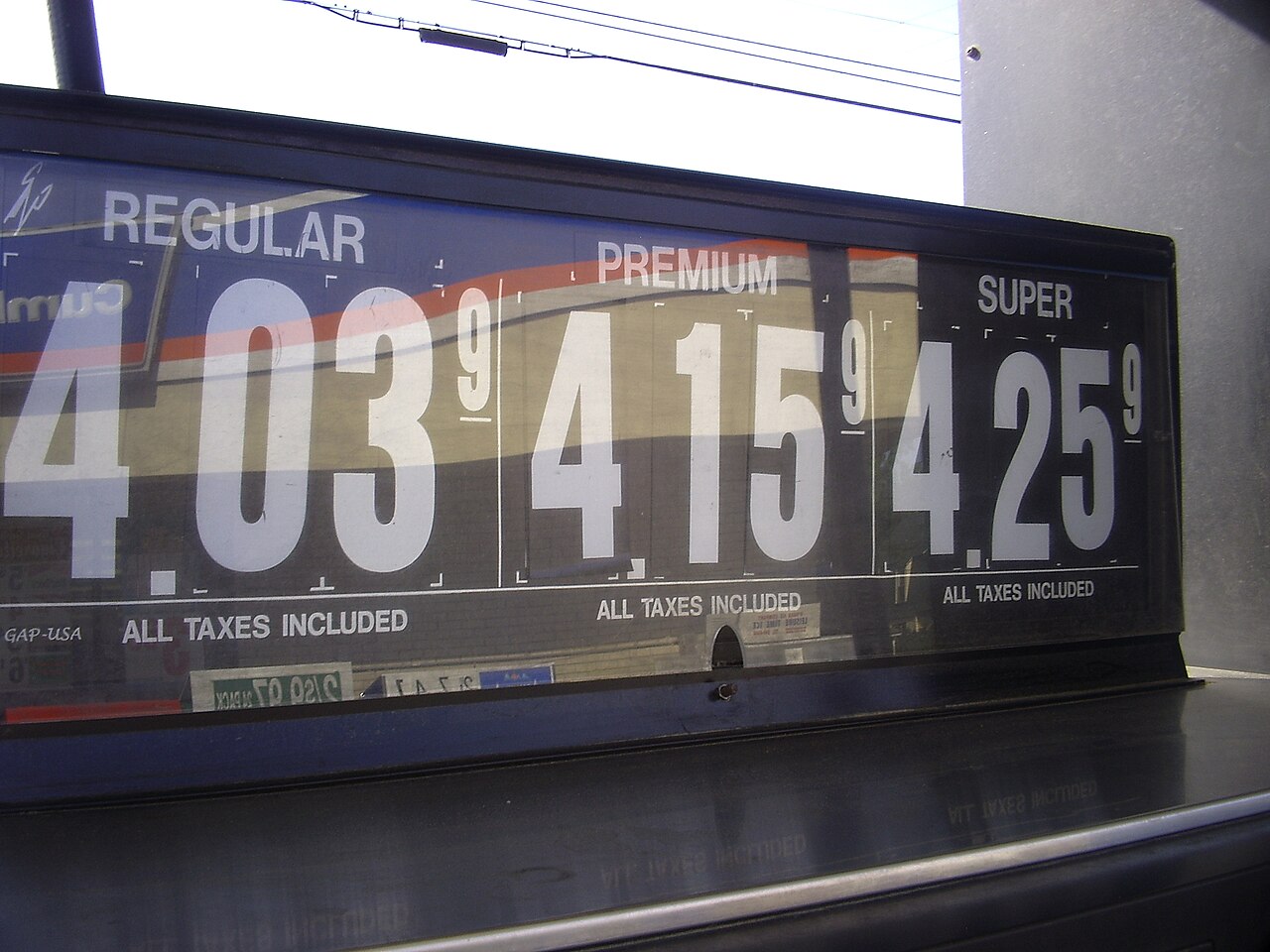
Gas Prices Heading Into Summer: What Actually Moves Them
Regular gas averages about $4.49 heading into Memorial Day, up from $2.80 in January. What drove the spike, what EIA expects this summer, and what moves the pump price.
-
Unclaimed Money: How to Check Every State You’ve Ever Lived In
State treasurers hold billions in forgotten deposits, paychecks, and refunds, and about 1 in 7 people have some. How to search every state you’ve lived in, free.
-

What a Recession Actually Is (and Who Gets to Decide)
The two-negative-quarters rule is not the real definition. How the NBER’s dating committee actually calls recessions, why it waits, and what that means for you.
-

Robocalls and the Do Not Call List: What Actually Works
258.5 million numbers sit on the Do Not Call Registry, yet phones keep ringing. What the list can and cannot do, and the steps that actually cut robocalls.