Author: Alex Clark
-

How Layoffs Legally Work: WARN Notices, Severance, and Your Rights
What the WARN Act actually requires, why severance is negotiable, and the health coverage and unemployment steps to take in the first week after a layoff.
-

Medical Expenses You Can Actually Deduct
The IRS lets you deduct medical costs above 7.5% of your income, but only if you itemize. What qualifies, what doesn’t, and how the math works in 2026.
-

Warranty Rights You Have Even Without the Paperwork
Lost the warranty card? Federal law and automatic implied warranties still protect you. What Magnuson-Moss covers and how to push back when a seller says no.
-
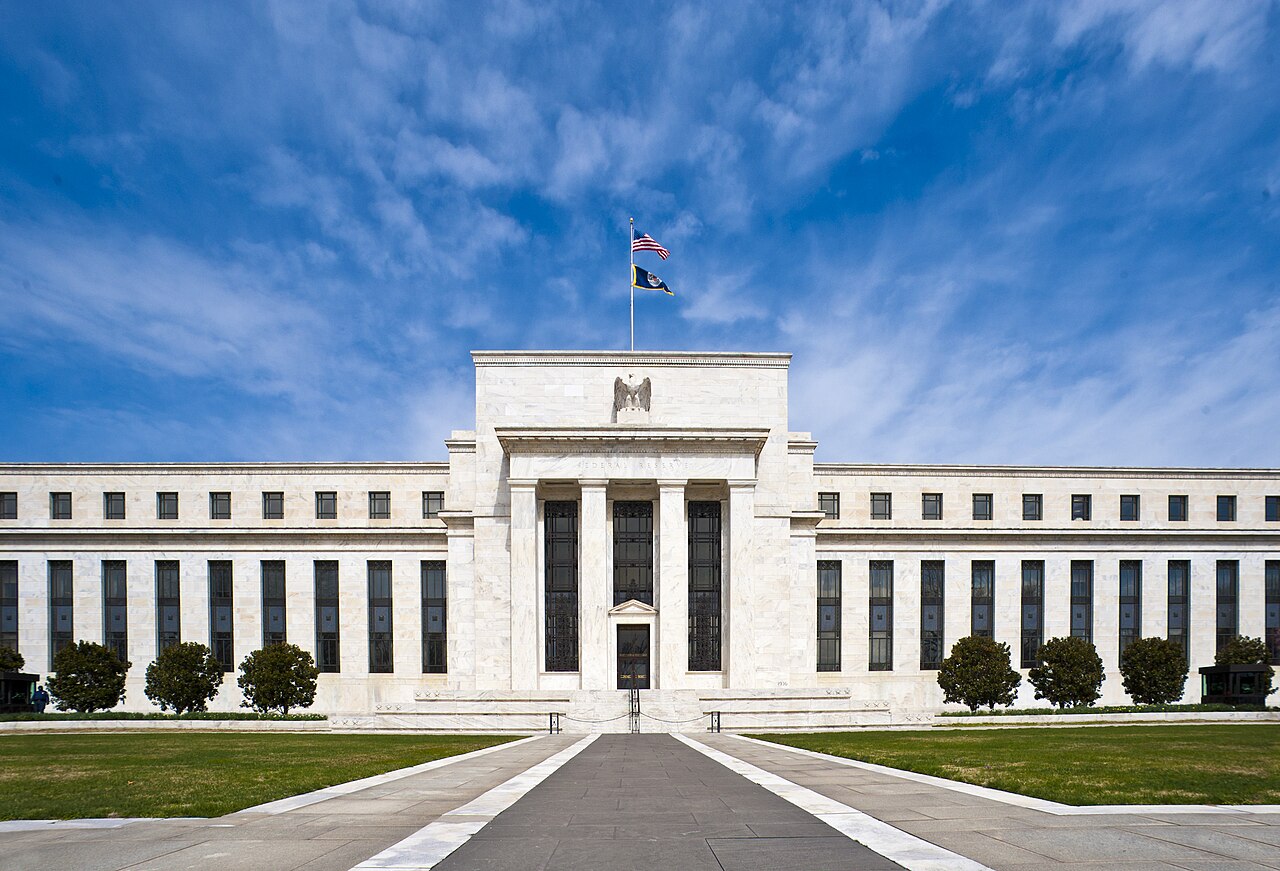
The Fed’s June Decision: What It Means for Your Wallet in Weeks
The Fed held rates at 3.5 to 3.75 percent on June 17 but penciled in a possible hike. What that means for cards, savings, and mortgages in the weeks ahead.
-

Where Savings Rates Stand at Midyear (and How to Chase Yield Safely)
The FDIC’s June update puts the average savings account at 0.38% and the average 12-month CD at 1.65%. What the numbers mean and how to earn more safely.
-

Home Warranty or Emergency Fund: Which Protects You Better
Home warranties are service contracts with real limits, the FTC says. Here is how they compare with a plain emergency fund when a repair bill hits.
-
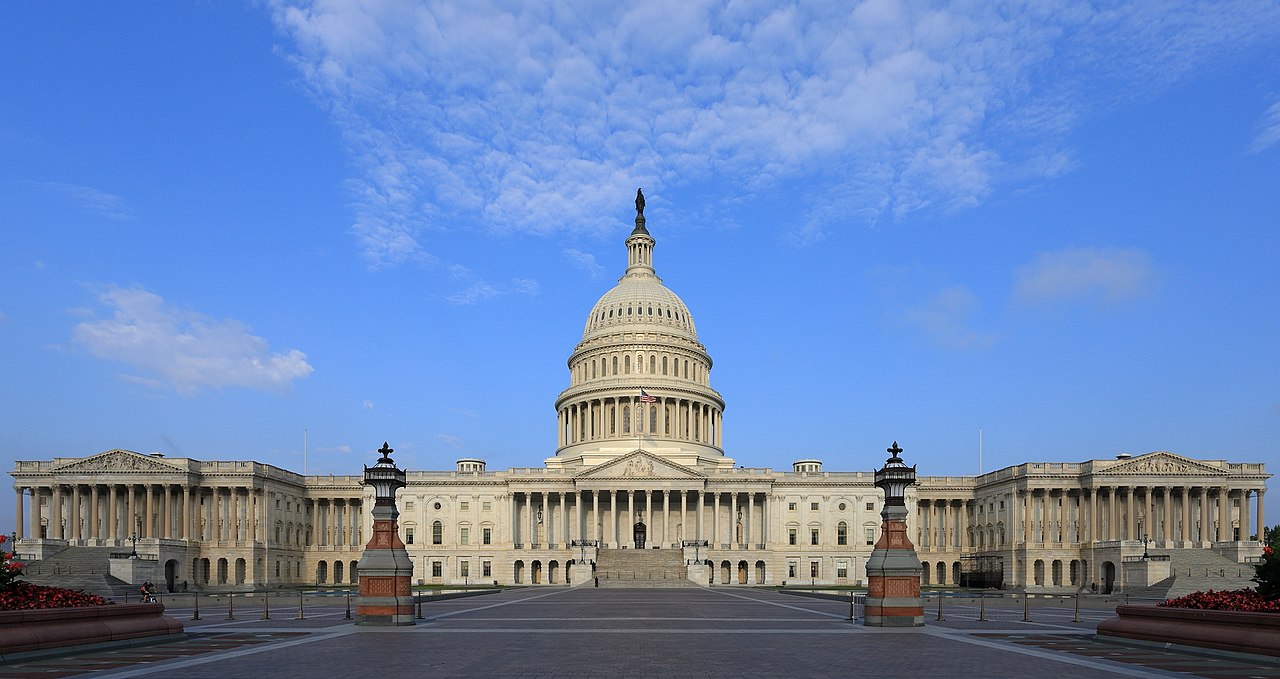
Social Security’s Trust Fund: What This Year’s Trustees Report Says
The 2026 Trustees Report keeps the combined depletion date at 2034, with 83 percent of benefits payable. What the numbers mean for current and future retirees.
-

Quarterly Estimated Taxes: What Happens If You Miss June 15
The second estimated tax payment of 2026 is due June 15. Missing it starts an interest meter, currently 6 percent, not a fine. Here is the math and the fixes.
-

Debt Settlement Companies: Read This Before You Sign
Debt settlement firms promise pennies on the dollar. Federal rules, the fees, the credit damage, and the tax bill they mention less often, explained.
-
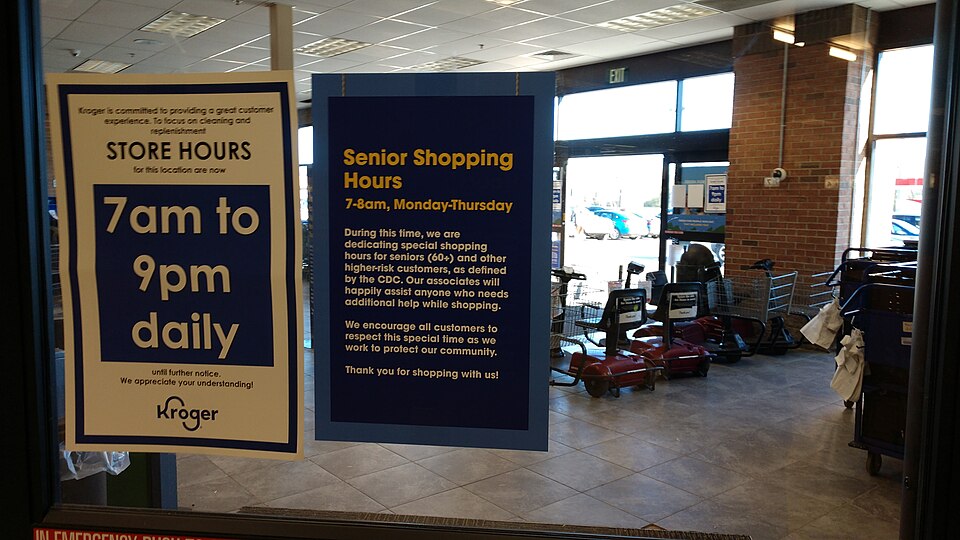
SNAP for Seniors: Who Qualifies and Why So Few Apply
Only about half of eligible seniors are enrolled in SNAP. The special rules for people 60 and older make qualifying easier than most retirees assume.